
Interview · Women who lift
Why Women Over 40 Should Lift:
Strength Through Perimenopause
For women in their 40s going through perimenopause, Paul Anthony's plan includes strength training two to four times a week. He starts lighter, builds through his levels and pairs lifting with enough protein.
The conversation
Key insights
- 01
Paul recommends strength training two to four times a week for women in perimenopause and menopause.
- 02
He starts these clients a little lighter, then builds through his levels.
- 03
Interval cardio and adequate protein round out the plan.
- 04
Low protein is one of the most common gaps Paul sees in women.
01
Lifting is part of the plan, not an optional extra
Ask Paul Anthony what he tells women in their 40s going through perimenopause and strength training comes up straight away.
“You need strength training two to four times a week as well, and an adequate amount of protein. Those are the things that are very important.”
Paul Anthony
Many of the women Paul works with want to lose weight, change their shape and build lean muscle. Lifting is how you build and keep that muscle while you lose fat, which is why it sits at the centre of every Dreambody plan.
02
Start lighter, then build
Paul is just as clear that the starting point should be gentle. "First I start them off a little lighter," he told us. That fits the way his whole program works: every client starts at Level 1 of 12 and moves up only when they are executing well.
- Level 1 first. Even if you have lifted before.
- Two to four strength sessions a week as you build up.
- Progress by proficiency. Some women move up after two weeks; others need two or three months at the first level.
03
Add intervals as you progress
Alongside lifting, Paul includes higher-intensity interval cardio for women in perimenopause and menopause. His example: sprints of about 30 seconds, followed by a two- or three-minute break. Like the strength work, it starts lighter and builds. We go deeper on that in perimenopause and weight gain.
04
Lifting needs fuel
The other half of the plan is protein. Paul says most women he sees eat roughly half of what he would recommend.
“Women especially don't have enough protein. Protein intake is usually low, about half of what it should be.”
Paul Anthony
As a rule of thumb he suggests most women aim for over 100 grams a day, around 100 grams for a woman of about 130 pounds. Your needs may differ, so check with your doctor if you have a medical condition that affects your diet.
05
Know when to check in with your doctor
Paul watches how a new client responds over roughly the first two weeks. If she is really struggling, or has had sudden weight gain, he recommends seeing a doctor, ideally one experienced in women's hormone health, to have things checked. Decisions about testing or treatment belong with that physician.
Want a coach to build it with you? Train one-on-one with Paul through Calgary personal training, or start with a weight loss program.
Check with your doctor first. If you have a medical condition, take medication, are dealing with sudden or unexplained weight gain, or have symptoms that worry you, speak with your physician before starting or changing a program. Paul is a personal trainer, not a medical provider, and this article is general information, not medical advice.
FAQ
Frequently asked questions
How often should women over 40 strength train?
Paul recommends strength training two to four times a week for women in perimenopause and menopause, starting lighter and building up.
I've never lifted weights. Where do I start?
At Level 1 of Paul's program, like everyone else. You move up as your technique and consistency improve.
Will lifting make me bulky?
Paul's clients over 40 usually want to get leaner, change their shape and build lean muscle. Your plan is built around your goals.
Should I talk to my doctor about perimenopause symptoms?
Yes. If you are struggling, have had sudden weight gain or have symptoms that concern you, speak with your physician. Paul is a trainer and refers clients to doctors for medical questions.
More from this interview
Keep reading
 From this interviewPerimenopause and Weight Gain: A Trainer’s Practical ApproachFor women in their 40s going through perimenopause, Paul Anthony says the most common concern is sudden weight gain and difficulty losing it. His…
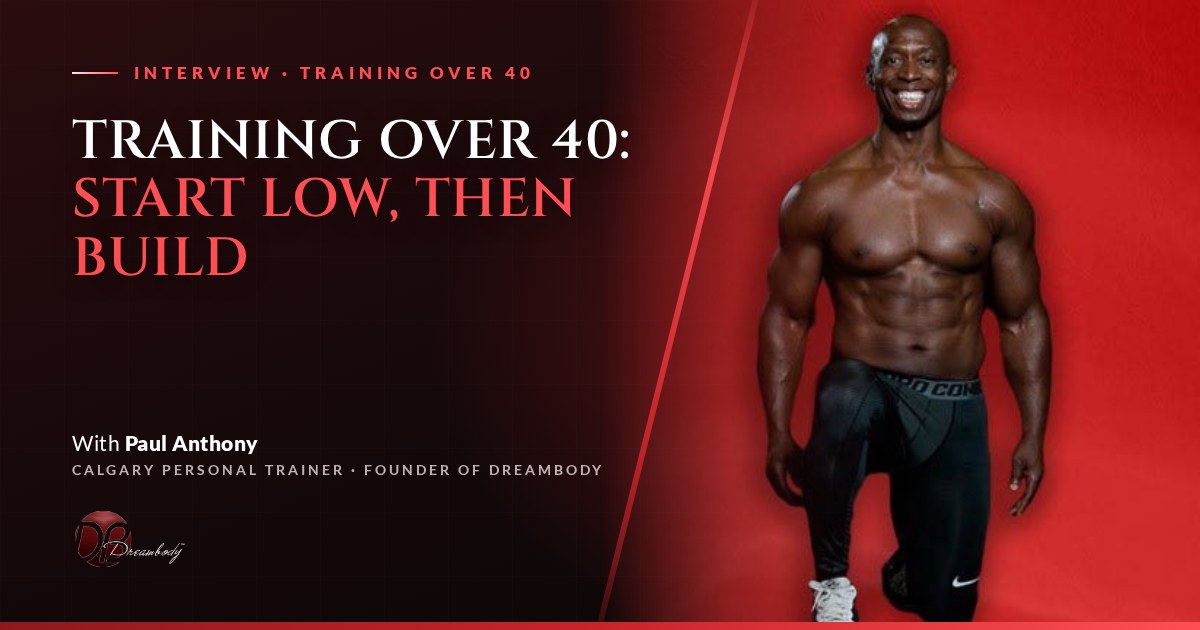 From this interviewPersonal Training Over 40: Building a Safe, Sustainable Strength PlanWhether you have never lifted or you are coming back after years away, Paul Anthony starts everyone over 40 the same way: at Level 1. Here is how his…
 From the blogStrength Training in Calgary: Why Everyone from Teens to Seniors Needs ItAn earlier Dreambody article on why strength training matters at every age.
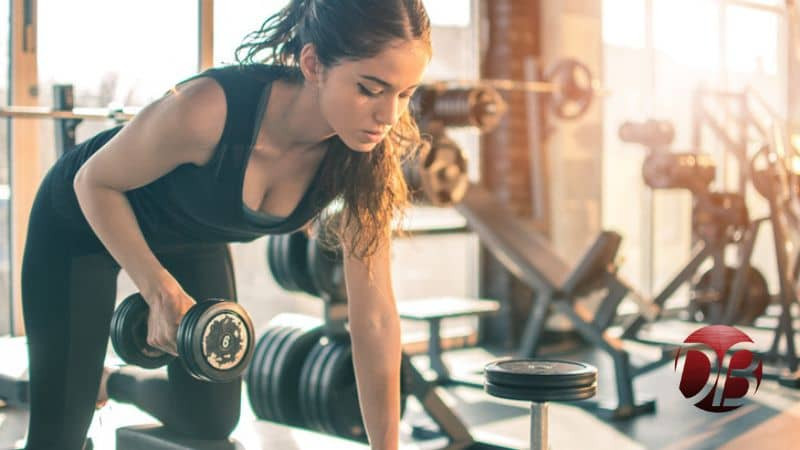 From the blogThe Importance Of Strength Training For Weight LossAn earlier Dreambody article on the role of strength training in weight loss.